
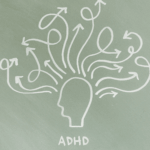
For decades, individuals living with Attention-Deficient Hyperactivity Disorder have been misunderstood as people who lack discipline or who are lazy. What many do not realize is that people with ADHD are experiencing a real neurodevelopmental condition which can affect their functioning in various ways. A common myth that many hold is the idea that this condition only involves symptoms of hyperactivity or distraction. In reality, ADHD affects individuals in their emotional regulation, time management, organization, and relationships. The purpose of this article is to help readers recognize signs they may not realize are part of ADHD.
Thank you for reading this post, don't forget to subscribe!Is ADHD Just About Being Distracted or Hyper?
While there is an extensive amount of opinions regarding the ADHD experience, it is important to understand the realistic experiences individuals with ADHD endure. For example, many people believe this condition involves only hyperactivity and affects only children. In reality, it often continues into adulthood. It just appears in a different way. ADHD affects one’s executive functioning in areas such as planning, task completion, and prioritizing. It is common for adults to encounter mental restlessness rather than physical hyperactivity. Internal symptoms include racing, overwhelming thoughts, and decision paralysis. Many adults go undiagnosed because of the myth that only children can be diagnosed with ADHD, and because they do not recognize that symptoms are not simply being hyperactive. The truth is, ADHD can present very differently across people and ages.
Why Do Everyday Tasks Feel So Overwhelming With ADHD?
Tasks can feel overwhelming for those living with ADHD because task initiation creates challenges for many of them. One of the characteristics of ADHD is that many have to navigate life with time blindness and poor time estimation. For example, while work may begin in an hour, the person may arrive late because they believed they had time to prepare for the day, stop for coffee, and take the 30 minute drive to work without much traffic. Those with ADHD may experience difficulty organizing steps of a task and emotional overload when demands pile up. While one may have goals and tasks needed to be completed, trouble starting it becomes the problem. This can negatively affect one’s work productivity. Students may find focusing and meeting deadlines a challenge which impacts their school performance. Finally one’s household management may be an obstacle when chores pile up and distractions arise.
How Does ADHD Affect Emotions and Relationships?
Someone living with ADHD may experience emotional dysregulation. These mood swings create friction in relationships because others may not understand them. When it comes to communication, they may unintentionally interact with impulsivity. On the other hand, their frustration tolerance may be low which means they find it difficult to withstand annoyances or uncomfortable situations. Another other example of ADHD affecting relationships is forgetfulness that affects trust and this can lead to relationship strain from missed commitments. Unfortunately, many times this is the main reason why individuals with ADHD seek therapy. Experiencing social strain can lead one to shame and self-criticism that lead to a feeling of defeat. Challenges arise to a greater extent when it seems like no one around understands this perspective. Attempts at fitting into other’s standards or overexplaining oneself can become draining and lead to social exhaustion.
How Can You Tell If It’s ADHD and Not Just Stress or Burnout?
Although symptoms may appear similar, there is a difference between ADHD and stress or burnout. When it comes to stress and burnout, these symptoms arise in the presence of an evident stressor and usually decrease once the stressor has passed. For example, a student who is currently balancing college, work, an internship, and a social life may find that they are experiencing an increase in their forgetfulness, and poor time management when it comes to school or work. Once their schedule is lighter, these symptoms substantially decrease. On the other hand, ADHD is a chronic condition that often contributes to longstanding behavioral patterns. These patterns are consistent and affect one’s functioning across all environments. If these behavioral patterns have created obstacles in executive functioning and have lasted beyond a stressful event or season despite efforts to control it, it may be time to seek an assessment. Rather than attempting to overcome it alone, it is beneficial to be evaluated by a professional followed by personalized treatment.
Conclusion
ADHD is a condition that differs from most because it is complex and often hidden. Those dealing with it often feel misunderstood which can lead to feelings of shame and delayed support. By recognizing the manifestations of ADHD early on, one can receive the necessary support to improve one’s quality of life. If any of these constant patterns such as disorganization, struggles with time-management, low frustration tolerance, and overwhelming thoughts resonate with you, Hope Behavioral Health encourages you to seek an evaluation or therapy today. Gaining clarity can be the first step toward developing tools that make daily life more manageable.
Why Choose Hope Behavioral Health in Kissimmee
At Hope Behavioral Health, we offer trauma-specialized, bilingual counseling designed to support individuals with ADHD who are navigating emotional overwhelm, past experiences, and everyday life challenges. ADHD is more than attention or focus — it can impact emotions, relationships, motivation, and self-confidence.
We provide compassionate care that respects your brain while helping you build skills, regulate emotions, and heal. We meet you with patience, structure, and understanding — never judgment.
Hope Behavioral Health offers faith-integrated support, honoring your spiritual values, culture, and beliefs in the healing process.
How to Get Started
- Schedule an appointment – Begin your pre-registration and schedule an appointment using our client portal. You can also call us at (407) 906-5214 for assistance.
- Meet With your Therapist – Once your appointment is scheduled, you will meet with your therapist to complete your initial session
- Begin Your Personalized Treatment Plan – Build focus and resilience with weekly support.
Author
- Written by Yaneily Diaz, BA with the assistance of AI.
- Medical Review Note: Reviewed by Lillianis J Cruz, LMHC, QS for clinical accuracy.
- Last Updated: 03/5/2026